
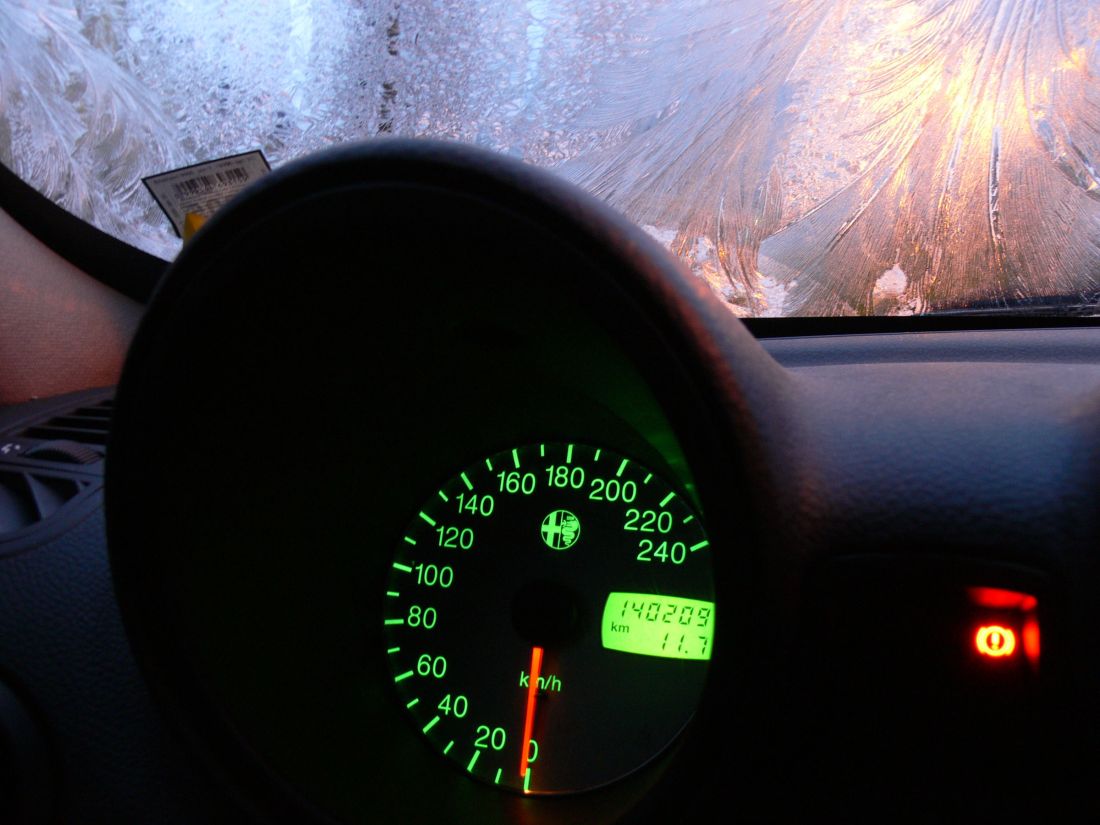
Buying a High-Mileage Car: 5 Top Tips You Should Know
As you explore our range of used cars, don’t overlook higher-mileage vehicles—done right, they can be some of the best value on the forecourt.
In many cases, a well-maintained car with 90,000–130,000 miles can be a better buy than a lower-mileage car that’s had patchy servicing or lots of short trips.
If you’re considering a higher-mileage vehicle, here are 5 practical checks that will help you buy with confidence.
Tip 1) Judge the service history, not just the odometer
Mileage tells you how far a car has travelled — service history tells you how it’s been cared for.
Look for:
A clear record of regular servicing (stamps/invoices)
Evidence of key items being replaced on schedule (fluids, filters, belts, plugs)
Any bigger maintenance jobs already done (brakes, tyres, suspension components)
Good sign: consistent service intervals and paperwork to match.
Tip 2) Check the “big-ticket” maintenance items for that model
Some parts are normal wear-and-tear, but they’re also where costs can add up. Before you buy, ask what’s been done recently and what might be due soon, for example:
Timing belt/chain (if belt-driven, check it’s been replaced at the right interval)
Clutch (manual cars) and general drivetrain feel
Brakes and tyres (do they look fresh or near the limit?)
Suspension (knocks, uneven tyre wear, vague steering)
Top tip: a higher-mileage car that’s already had these items addressed can be a sensible purchase.
Tip 3) Do a proper cold-start check (it reveals a lot)
If possible, view the car when the engine is cold. A cold start can highlight issues that might not show up once warm.
Listen and look for:
Rough idle, rattles, excessive smoke
Warning lights that don’t go out properly
Hesitation or misfires when pulling away
During the test drive, make sure it:
Pulls cleanly through the gears
Brakes straight and smoothly
Doesn’t clunk over bumps
Tip 4) Match mileage to usage: motorway miles can be “kinder”
A 100,000-mile car that’s done mostly motorway miles can be less worn than a 60,000-mile car that’s done constant short trips and stop-start driving.
Ask questions like:
Was it a commuter car?
Mostly town driving or longer runs?
How many owners has it had?
What you’re really buying: the car’s life story, not just a number.
Tip 5) Factor mileage into the deal and future ownership
High mileage can mean:
A lower purchase price (often great value)
Potentially higher maintenance over time (normal wear items)
Different resale expectations when you come to sell
So make sure the price reflects:
Condition
Service history
What’s been replaced recently
What may be due next
If you’re planning to keep the car for a few years, a well-looked-after high-mileage car can be a smart, cost-effective choice.
Final thought
High mileage isn’t something to fear — it’s something to verify. Get the history, check the condition, and make sure the car feels right on the road.
If you’d like help choosing a car that suits your budget and mileage needs, come and visit us or browse our latest used cars online.