
Hybrid Cars vs Electric Cars?: Which is Better?
With the UK moving closer to a greener future, many drivers across South Wales are asking the same question: should my next car be a hybrid or fully electric?
There is no "wrong" choice, but there is definitely a "best" choice for you. At Bob Davies Car Sales, we’ve spent over 40 years helping local drivers find the perfect fit. We know that while the latest tech is exciting, you need to know how these cars handle the school run, the M4 commute, and your monthly budget.
Whether you’re looking at hybrid cars vs electric cars for the first time or you're ready to make the switch, this guide will help you weigh up the hybrid vs electric cars: pros and cons, so you can drive away with confidence.
What Is the Difference Between a Hybrid and an Electric Car?
The simplest way to look at it is what’s under the bonnet and how you "refuel."
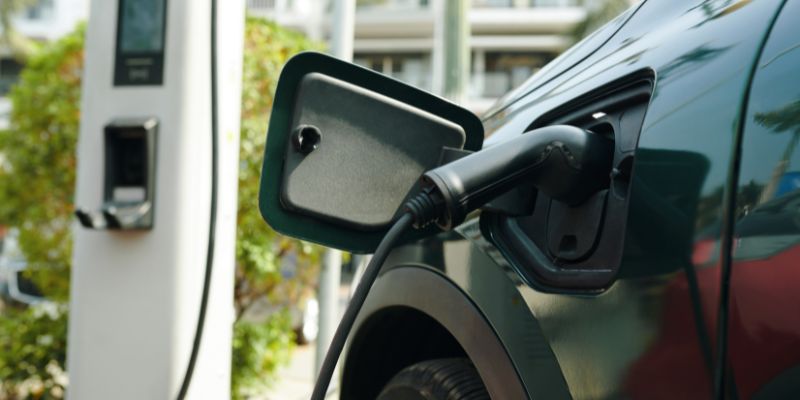
Electric Cars (EVs): These are powered entirely by electricity. They have a large battery and an electric motor instead of a petrol engine. You will never need to fill up at a petrol station; you simply plug them into a charger at home or a public point.
Hybrid Cars: These use a combination of a traditional petrol (or diesel) engine and an electric motor. There are three main types:
Mild Hybrids (MHEV): The electric motor just assists the engine. You drive it exactly like a normal petrol car.
Full/Self-Charging Hybrids (HEV): These can drive short distances on battery power alone. They charge themselves while you drive and brake, so you never need to plug them in.
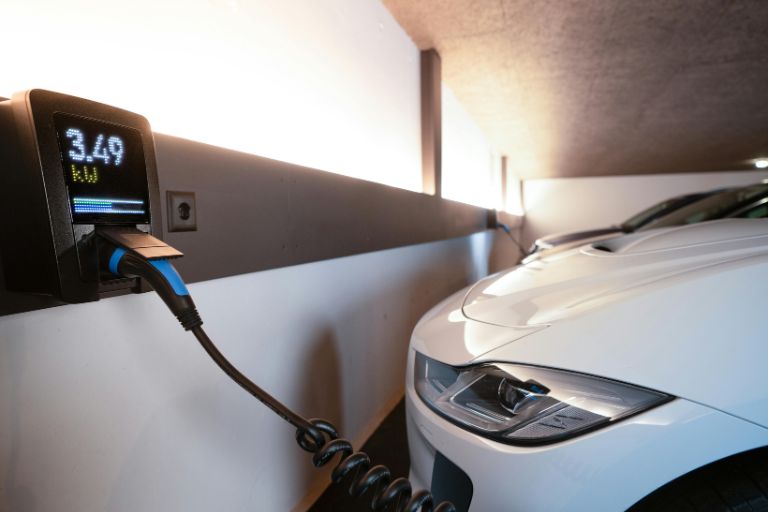
Plug-in Hybrids (PHEV): These have larger batteries that you can plug in to get roughly 30–70 miles of pure electric driving before the petrol engine takes over.
Are Hybrid Cars Better Than Electric Cars?
When comparing a hybrid car vs electric car, you may wonder which is better. However, neither is definitively better than the other; it truly depends on your lifestyle.
If you have a driveway where you can install a home charger and your daily mileage is predictable, an electric car is often the winner for its low running costs. However, if you regularly drive long distances across the UK or don't have easy access to a plug, a hybrid is more suitable for you.
Pros & Cons of Hybrid Cars
Pros:
No Range Anxiety: A petrol engine backs up the battery, so long trips are easy.
No Charging Needed: Self-charging hybrids don’t need to be plugged in — just fill up and go.
Easy to Adapt To: They feel and drive like a traditional petrol car.
Lower Upfront Cost: Used hybrids usually cost less than equivalent electric cars.
Cons:
Tailpipe Emissions: They do produce CO2 because they still use a petrol (sometimes diesel) engine.
Maintenance: They still have an engine, so regular servicing and oil changes are required (often slightly less frequent than a petrol-only car, but not eliminated).
Fuel Costs: You still rely on petrol/diesel, so fuel prices at the pump still affect running costs (even though hybrids are usually more fuel-efficient).
Best for: Drivers who want better fuel economy without changing their daily routine or worrying about where to plug in.
Pros & Cons of Electric Cars
Pros:
Zero Tailpipe Emissions: Electric cars produce no exhaust emissions while driving, making them a cleaner option at the point of use.
Quiet & Smooth: Electric motors deliver instant power, making driving quiet, smooth, and surprisingly nippy in traffic.
Lower Running Costs: Charging at home is usually much cheaper than filling up with petrol or diesel.
Minimal Maintenance: With fewer moving parts, there’s no engine oil, spark plugs, or traditional gearbox to maintain.
Cons:
Charging Infrastructure: While improving across South Wales, public charging still requires planning on longer journeys.
Higher Upfront Cost: Electric cars can cost more to buy initially, although finance options can help spread the cost.
Charging Time: Even with rapid charging, a top-up can take 20–40 minutes, compared to a few minutes to refuel with petrol or diesel.
Best for: Commuters with home charging who want the lowest possible daily running costs.

Hybrid vs Electric Cars: Running Costs & Practicality
When comparing electric vs hybrid cars, it’s essential to consider which option is most beneficial for your lifestyle.
Feature | Hybrid Cars | Electric Cars |
Fuel/Energy | Approx.17p per mile (Shell Recharge Network at 69p per kWh) | Approx. 7p per mile (Home charging) |
Road Tax (VED) | Standard rates apply | Lower rates (often £10 in year one) |
Servicing | Similar to petrol cars | Much cheaper (fewer moving parts) |
Pay-per-mile Charge (2028) | 1.5p per mile (Plug-in hybrid) | 3p per mile. |
While an EV saves you more every month, a used hybrid is often cheaper to finance initially. At Bob Davies Car Sales, we offer flexible finance (HP and PCP), helping you bridge that gap regardless of which technology you choose.
What’s the Environmental Impact of Hybrid vs Electric Cars?
If you want to go green, electric and hybrid cars both offer a massive improvement over older diesel models.
Hybrids reduce your carbon footprint by using the electric motor in stop-start traffic, where engines are least efficient.
Electric cars are the ultimate goal for the planet, as they produce zero local emissions. As the UK’s national grid uses more wind and solar power, your EV actually gets "cleaner" the longer you own it.
Are Electric Cars Worth It?
Yes, for the right driver. If you can charge at home and cover less than 150 miles on a typical day, an electric car will likely save you thousands in fuel and maintenance over a few years. However, if you live in a flat without a dedicated parking space or frequently drive from Newport to Scotland, a hybrid is likely the more "worth it" option for your peace of mind.
Which Is Right for You? Hybrid or Electric?
Still stuck? Use this quick checklist:
Choose a hybrid if you:
Drive 15,000+ miles a year.
Park on the street with no home charger.
Want a simple transition from your current car.
Choose an electric if you:
Have a driveway or garage with power.
Want to future-proof your vehicle against future Clean Air Zones.
Buying a Used Hybrid or Electric Car: What to Know
We know some buyers worry about battery life in used cars. The truth is, modern batteries are built to last. Most are designed to retain the vast majority of their capacity for 8 to 15 years.
When you buy from Bob Davies Car Sales, every vehicle undergoes a rigorous inspection. We also include an RAC-backed warranty on every eligible car, so you can enjoy the fuel savings of a hybrid or EV without worrying about "what ifs."
Still Not Sure Which Car to Choose?
If you are still feeling torn between the two, don't worry, it is completely normal to be unsure when making such a big shift in how you drive. Deciding between electric vs hybrid cars involves a lot of factors, and sometimes the best way to gain clarity is to speak to a real person.
At Bob Davies Car Sales, we pride ourselves on our no-pressure, family-run approach; we are here to offer genuine advice, not a corporate sales pitch. Whether you want to discuss the practicalities of a specific model or explore our flexible finance options like HP and PCP, our team is ready to help you find the perfect fit for your lifestyle and budget.
Contact Us | Apply For Finance | Browse Our Stock
Hybrid Cars vs Electric Cars FAQs
Which is better, a hybrid or an electric car?
Neither is better in every situation. A hybrid is often better if you drive longer distances or don’t have easy access to charging. An electric car is ideal if you mostly drive locally and can charge at home.
How long do electric and hybrid car batteries last?
Most are designed to last 10–20 years. Even after a decade, some batteries can still hold roughly 80% of their original capacity.
Do hybrid cars need to be plugged in?
Only "Plug-in Hybrids" (PHEVs) need to be plugged in to get the best out of them. "Self-charging" hybrids never need a plug.
Can I get finance on a hybrid or electric car?
Absolutely. We offer competitive finance plans to make these modern cars affordable for everyone in South Wales.