
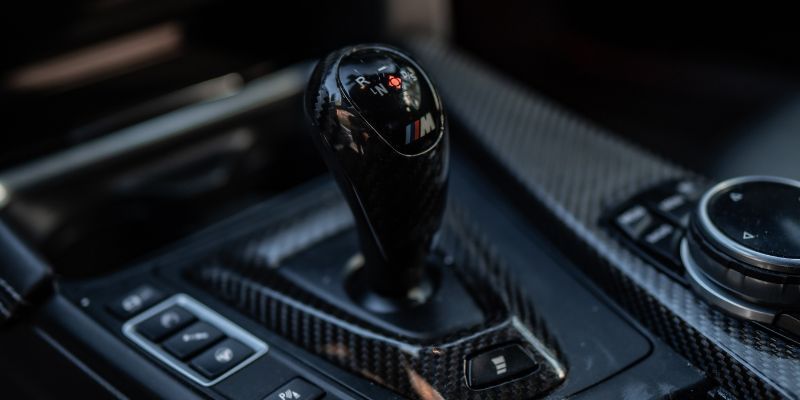
Manual vs Automatic Cars: Which Is Better?
The debate between manual vs automatic cars has been ongoing for years. The decision of which is better ultimately depends on personal preference, driving habits, and your intended use for the car. Some drivers prefer the engagement of a manual gearbox, while others value the convenience of an automatic transmission. This guide will help you make an informed decision by breaking down the differences between manual vs automatic car options.
What’s the Difference Between a Manual and Automatic Car?
At its core, the primary difference between manual vs automatic transmission cars lies in how the vehicle shifts gears. A manual car requires the driver to manually shift gears using the clutch pedal and gear stick. In contrast, an automatic car automatically changes gears for the driver, eliminating the need for a clutch.
The manual gearbox vs automatic comparison is rooted in how each transmission operates: manual cars rely on the driver’s control for changing gears, while automatic transmissions handle this process automatically, providing a more relaxed driving experience.

Should I Buy a Manual Car? (Pros and Cons)
Pros of Manual Cars
Cheaper upfront: Manual cars are generally more affordable than their automatic counterparts.
Greater control: Drivers of manual cars can adjust their speed and power output more precisely, providing a greater sense of control over their driving experience.
Better fuel efficiency: Historically, manual cars have been more fuel-efficient than automatics, although advancements in automatic transmission technology have narrowed this gap.
Easier to maintain: Manual transmission cars typically have fewer components than their automatic equivalents, making them potentially less expensive to maintain repair.
Cons of Manual Cars
Requires Skill: Learning to drive a manual car requires more skill and attention, particularly in stop-and-go traffic.
More Effort in Traffic: Driving in heavy traffic can become tiring because you have to constantly engage the clutch and shift gears.
Limited Availability: Manual cars are less common than automatic cars, especially in newer models.
Should I Buy an Automatic Car? (Pros and Cons)
Pros of Automatic Cars
Ease of Use: Automatic cars are ideal for stop-and-go traffic, as they require less effort from the driver.
Great for New Drivers: Learning to drive an automatic car can be easier for beginners due to the lack of a clutch and gear shifting.
Widely Available: Today, most cars, including hybrids and electric vehicles, are offered with an automatic transmission.
Cons of Automatic Cars
Higher Costs: The technology behind automatic transmissions tends to be more costly than in manual cars.
Less Control: A common complaint with automatic cars is that the driving experience can feel less engaging, especially for those who enjoy the control of a manual gearbox.
Fuel Efficiency: While modern automatic transmissions have improved significantly, older models may still have a fuel efficiency disadvantage compared to manual transmission cars.

Are Manual Cars More Fuel Efficient Than Automatics?
Historically, manual cars were known for their better fuel efficiency, largely because they allowed drivers to maintain a more consistent driving speed and avoid unnecessary gear changes. However, with the introduction of new automatic transmissions, such as CVTs and dual-clutch systems, the fuel efficiency gap between manual vs automatic cars has narrowed. Today, many modern automatic cars offer comparable or even superior fuel efficiency compared to manual transmission vehicles, depending on the model and driving conditions.
Will Manual Cars Be Phased Out in the Future?
With the increasing popularity of automatic transmissions, especially in electric and hybrid cars, it’s possible that manual cars could become less common in the future. While manual gearboxes still have their place in certain types of vehicles, like sports cars, the rise of automatic vs manual transmission preferences may lead to fewer new manual cars being produced.
Should I Drive a Manual or Automatic Abroad?
When driving abroad, the choice between manual vs automatic cars can vary depending on the region. For example, manual cars are more prevalent in Europe, while automatic transmissions are more common in countries like the United States. If you’re renting a car in a foreign country, it’s worth considering whether you’ll be comfortable driving a manual car if automatic transmission vehicles are harder to come by.
Are Manual Cars Cheaper to Insure?
Insurance premiums can vary depending on the model, make, and driver profile, but generally, manual cars are perceived as being lower-risk vehicles. This can result in cheaper insurance premiums compared to automatic transmission cars, which may be seen as more expensive to repair and maintain. However, insurance costs should be evaluated on a case-by-case basis.
If I Learn to Drive in an Automatic, Can I Drive a Manual?
In most regions, if you pass your driving test in an automatic car, you may not be legally allowed to drive a manual car without further testing. While it’s certainly possible to learn to drive a manual car later, it requires practice to master the use of the clutch and gear shifting. Many drivers find it challenging but achievable with patience.

Frequently Asked Questions (FAQs)
Is it hard to drive a manual? Driving a manual car can be difficult for beginners, but with practice, most people can get the hang of it.
What’s better for city driving—manual or automatic? In heavy traffic, many drivers prefer automatic cars because they don’t require constant gear shifting.
Can an automatic car be driven manually? Some automatic cars have manual modes, allowing drivers to shift gears manually, but they still use an automatic transmission system.
What’s the lifespan of a manual transmission? Manual transmissions can last longer than automatic transmissions, but this depends on how well the car is maintained.
Which is better for resale—manual or automatic? Automatic cars are generally more in demand for resale, especially in regions where automatic transmissions are more common.
Manual vs Automatic – Which Is Best?
In the end, the decision between manual vs automatic comes down to personal preference and driving needs. If you prefer greater control, better fuel efficiency, and enjoy the driving experience, a manual car might be right for you. However, if you prioritise convenience, ease of use, and smooth driving, an automatic car may be the better choice.
Ready to explore both options? Contact us today to book a test drive, explore available finance options, or learn more about our manual and automatic car offerings!