
What Is BHP in Cars? A Simple Guide to Brake Horsepower
If you’ve ever looked at car specifications, you’ve probably seen the term BHP listed alongside engine size, fuel type, or acceleration times. But what exactly does it mean, and how important is it when choosing your next car?
In this simple guide, we explain what BHP (brake horsepower) means, why it matters, and how it affects the way a car drives.
What Does BHP Mean?
BHP stands for brake horsepower, and it’s a measurement of how much power an engine produces.
Put simply, the higher the BHP, the more powerful the car.
Originally, horsepower was used to compare engine output to the strength of horses (before cars replaced horse-drawn transport). Today, BHP gives you an easy way to understand how strong an engine is and how it might perform on the road.
When browsing vehicle listings, you’ll often see BHP listed alongside other key specifications to help you compare models.
What Does “Brake” Horsepower Mean?
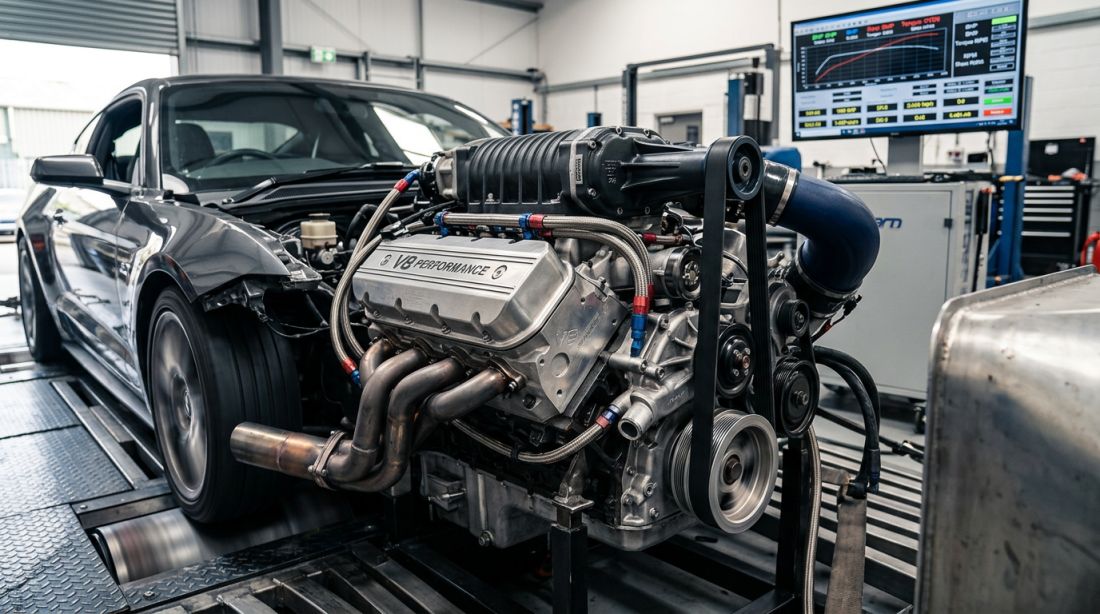
The word “brake” in brake horsepower comes from the method originally used to measure engine power using a braking device (called a dynamometer).
BHP measures the engine’s power before losses from components such as the gearbox, alternator, or air conditioning system.
Because of this, BHP is considered a reliable way to compare the engine performance of different vehicles.
We typically list the BHP under the vehicle information on our vehicle listings pages.
Why Is BHP Important?
BHP helps give you an idea of how a car will perform in everyday driving.
Generally speaking:
- Higher BHP usually means quicker acceleration
- Lower BHP often means better fuel efficiency
- More powerful engines may feel more responsive on motorways
- Lower-powered cars can still be ideal for city driving
However, BHP is only one part of the overall picture. Factors such as weight, gearbox type, and aerodynamics also affect how a car performs.
How Much BHP Do You Really Need?
The right amount of BHP depends on how and where you drive.
As a rough guide:
| Type of car | Typical BHP range |
|---|---|
| Small city car | 60–100 BHP |
| Family hatchback | 100–150 BHP |
| SUV | 130–250 BHP |
| Performance car | 250+ BHP |
For everyday driving, most people find that somewhere between 100 and 180 BHP provides a good balance of performance and efficiency.
If you regularly drive on motorways or carry passengers, a slightly higher BHP may feel more comfortable.
Is Higher BHP Always Better?
Not necessarily.
While higher BHP can mean stronger acceleration, it may also lead to:
- Higher fuel consumption
- Increased insurance costs
- Higher purchase price
- More power than you realistically need
Many modern cars are designed to deliver excellent performance even with moderate BHP figures.
When choosing a vehicle, it’s usually best to focus on overall suitability, not just the highest power output.
If you’re unsure what type of car is right for your needs, you can explore a wide selection here.
BHP vs Torque: What’s the Difference?
You may also see the term torque listed in vehicle specifications.
While BHP measures overall power, torque measures pulling strength — how strongly the car accelerates from lower speeds.
In simple terms:
- BHP affects top-end performance
- Torque affects how quickly the car responds when accelerating
Both figures work together to influence how a car feels to drive.
Does BHP Matter for Electric Cars?
Yes, but electric vehicles often feel more powerful than their BHP figures suggest.
This is because electric motors deliver power instantly, giving quick acceleration even at lower speeds.
If you're considering switching to electric, you can browse our available options here.
Summary: Understanding BHP
BHP is simply a way of measuring engine power. While it’s useful when comparing vehicles, it should be considered alongside other factors such as comfort, fuel economy, practicality, and price.
The best car for you is one that suits your driving needs, not just the highest BHP figure.
FAQs
What does BHP stand for?
BHP stands for brake horsepower, which measures the amount of power produced by a car’s engine.
Is higher BHP better?
Higher BHP usually means stronger acceleration, but it doesn’t always mean the car is better suited to your needs.
How much BHP do I need?
For everyday driving, most drivers find 100–180 BHP provides a good balance of performance and efficiency.
Is BHP important when buying a used car?
Yes, BHP can help you understand how powerful a vehicle is and how it might perform in real-world driving.
Do electric cars have BHP?
Yes, electric cars also have power ratings, often measured in BHP or kW.
Does higher BHP mean higher insurance?
Sometimes. Higher-powered cars can cost more to insure, particularly for younger or less experienced drivers.