
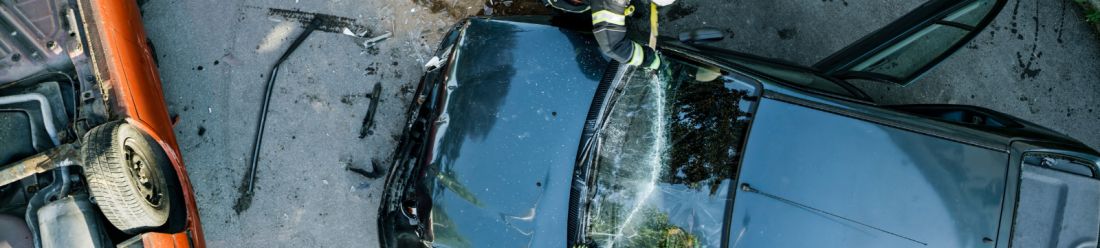
What to do after a car accident
As much as no one expects to be involved in a road traffic accident, they unfortunately happen every single day and could happen to anyone. If you do get involved in a car accident, you will likely be shocked which can make it difficult to figure out exactly what happened and what to do next. To help you prepare just in case you ever find yourself in this situation, here are the steps that you should take following a car accident.
Pull over and stop the car
If it is safe to do so, pull over to prevent obstruction and then switch off the engine. If you are not able to get your car to a safe place, you will need to turn the engine off where you are and switch your hazard lights on.
Check for injuries
Once you have stopped, check yourself and your passengers for any injuries and if no one is seriously harmed, exit your vehicle and then check with the occupants of the other vehicle and anyone else involved.
Call 999 for an ambulance immediately if anyone is seriously injured and do not attempt to move them until instructed by a health professional as long as they are safe. If the collision was minor and no injuries have been sustained, make a note that this was the case and what people said so that this can be referred to later in the event of an injury claim.
Call the police
If the road is blocked or the accident was serious, call 999 and ask for the police. Even if the accident seems minor, it is still best to inform the police as you may need a police report for insurance purposes.
Stay calm
Car accidents are shocking and stressful. Once you have stopped and checked for immediate danger and injuries and called for help, take a few deep breaths and try not to panic. This can help you to rationalise and remember the stages of the accident which will be important later.
Don’t apologise
Whether or not you believe you are at fault, do not apologise or admit fault as this can be used against you when the police and insurance companies are reviewing statements to decide who is to blame.
Exchange details
Share details with the other driver, recording their;
Name
Vehicle registration number
Phone number
Insurance details
Gather evidence
While you are at the scene, write down as many things as you can remember about what happened, including the date, time, location, weather conditions, what preceded the accident, how the accident occurred, what happened afterward and any injuries and damages that were sustained.
Take photographs of damage to either vehicle and the road conditions. If you have a dash cam fitted in your car, make sure that you save the footage.
Talk to your insurance provider
You will need to inform your insurance company of the accident even if you are not planning to make a claim. If you do not report it and the insurance provider finds out by another party making a claim for example, this could negatively affect your policy.